在清华人文论坛上的报告
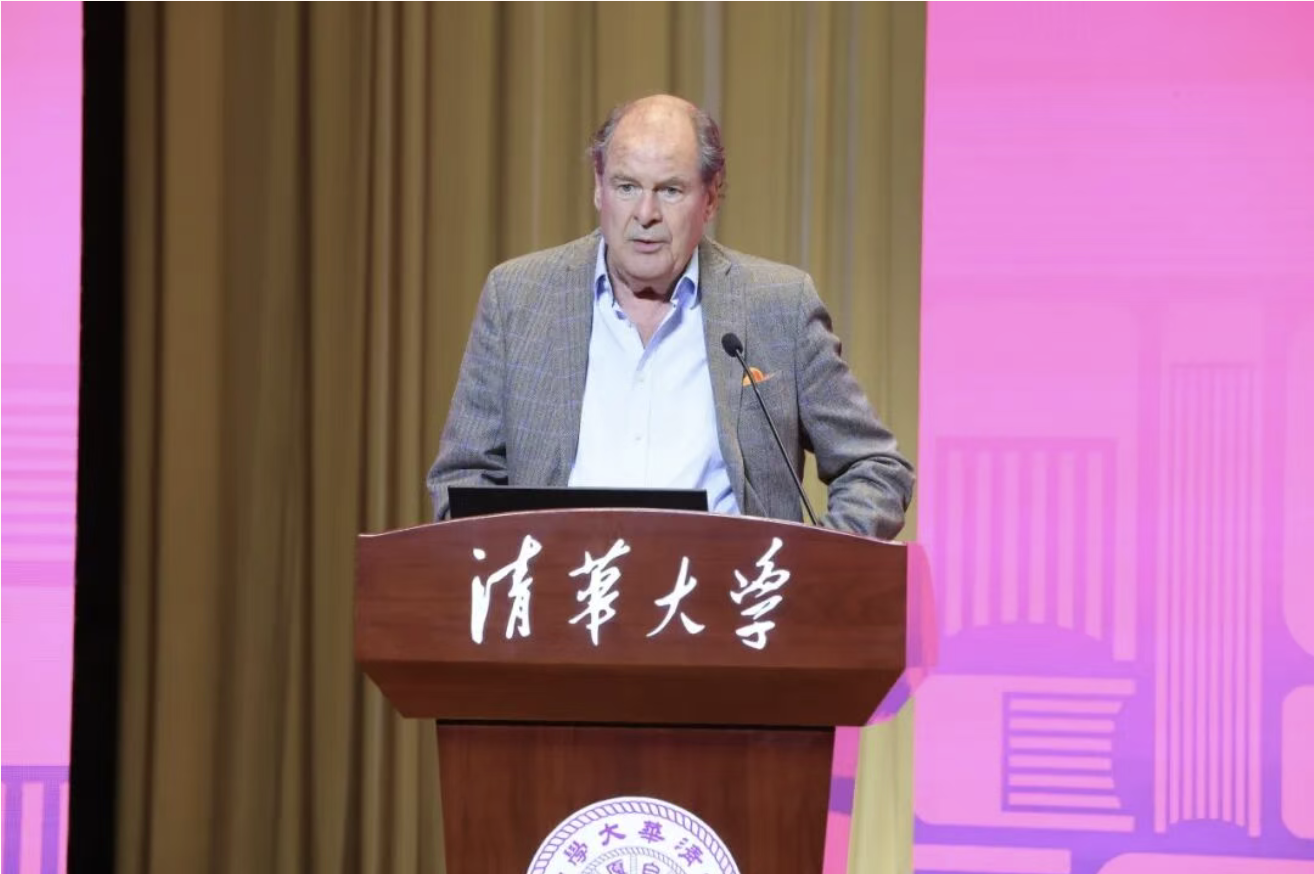
德国海德堡大学哲学系教授
安德里亚斯·凯莫琳
尊敬的各位同仁、女士们、先生们:
当我收到邀请,前来与诸位共同庆祝华人成人直播-性爱直播网站
文史哲三系百年华诞时,我感到颇为惊讶。我不禁自问:这么多人里,为什么偏偏邀请我呢?我一时想不出什么令人信服的答案。不过,我当然欣然接受了邀请——哪怕只是为了获得一个难得的机会,再次造访北京。
直到不久以前,我对清华大学的了解也不过如此:它是北京的一所大学,有两位年轻一些的先生在那里任职,我过去有幸与他们合作过。后来,我开始了解这所大学的历史。我所发现的一切给我留下了极其深刻的印象——说“深刻”甚至还不足以表达我的感受。尤其令我钦佩的是,清华大学在人文领域取得了如此卓越的成就。我现在由衷地认为,能够在此向华人成人直播
献上最诚挚的百年系庆祝贺,是我真正的荣幸。
我还想把这份祝贺的范围稍稍扩大一些。虽然迟到了整整一百年,但我也想祝贺清华大学本身,因为学校在1926年作出了一个重要决定:在一所此前完全专注于科学与技术的大学里,设立一个专门致力于人文学科的院系。
至少在我看来,这一决定本身就非同寻常。这与我对德国理工大学的了解有关。德国最负盛名的理工大学——慕尼黑工业大学——拥有700个教授职位、七个学院和三十个系,却没有任何一个组织机构,无论规模多么小,是专门致力于人文学科的。
不错,该校确实设有一个哲学与科学理论教授职位。这个职位于2008年设立,那时距离该校创立已经过去了140年。然而,当第一任教授退休后,这个教席竟然空缺了整整七年。七年!这或许足以让诸位对德国理工大学究竟有多么重视人文学科的教授职位,有一个大致的认识。
显然,清华大学并没有把新成立的人文院系当作一个无关紧要的点缀,也没有把它视为一所伟大的理工科大学偶尔才会享用的一点文化奢侈品。在清华,人文学科自创立之初就获得了充分的发展空间,并逐渐形成了鲜明而独特的思想品格。即使在极其艰难的时期,包括被迫流亡办学的那些岁月,人文学科也依然顽强地延续了下来。
随后,在查阅贵院的历史时,我又发现了一件令人惊叹的事情:过去三十年来,也就是自原有院系调整为今天的华人成人直播
以来,清华究竟发生了怎样的变化!在我看来,这一时期清华所取得的成就,几乎可以称得上是一个奇迹。贵院以近乎超音速的速度,攀升到了国际学术卓越的最高轨道——那是牛津、剑桥、巴黎、海德堡和莱顿数百年来安稳立足的层级,也是北美高校在过去一百年里表现得相当引人注目的层级。诸位不妨想想普林斯顿、哈佛、耶鲁、哥伦比亚和加州大学伯克利分校这些名字。
根据《泰晤士高等教育》最新发布的世界大学学科排名,清华大学在人文艺术领域的排名远远领先于海德堡大学。我想,诸位对此早已了然于心,而我却是刚刚才知道这一事实,我着实大吃一惊。过去二十年里,我曾在海德堡大学担任哲学教授,亲眼见证了我的学院是如何自满地认定自己毫无疑问地属于世界顶尖学术机构之列的。
好吧,遇到这种时刻,一位年迈的海德堡教授总得设法寻求一点安慰——或者至少找一些借口。那就试试这样说吧:“人人都知道,这类国际排名在事实上并没有多大意义;而对于人文学科所涉及的教学和研究领域来说,尤其如此。作为一个理性的人,特别是一个具有专业知识的人,我理应对这种选美式的排名一笑置之。”
然而,这番自我安慰并没有真正起到作用。自欺欺人的成分实在太明显了。更何况,我一直认为,《泰晤士高等教育》的排名比其他所有排名都更加可信。那该怎么办呢?我想,我至少可以迅速核查一下;至少在哲学领域,我还是相信自己能够作出一个有相当充分依据、也足以令自己信服的判断的。
于是,我查看了清华大学哲学系目前开设的课程,其课程设置令人印象深刻——而且是在不止一个方面,这里我想提三点。
第一,议题的广度,无论是系统哲学还是哲学史,都涵盖甚广。
第二,国际化的维度,无论是就研究主题而言,还是就教师队伍而言,皆是如此。
第三,开放与包容的精神,以及对将哲学视为一个整体的充分接纳。
总的来说,这是一个不仅涵盖伦理学、形而上学和逻辑学这些经典核心学科,而且也接纳了随着时间推移而发展起来的各种重要分支的哲学系,例如认识论、心灵哲学、语言哲学、哲学神学、政治哲学等等。此外,系里还开设了中国古典哲学与西方古典哲学的课程。我想,我从未见过如此全面而均衡的课程体系,能够覆盖过去两千五百年间哲学发展的整个历史。
请不要把我刚才所说的话理解为一位客人为了讨好慷慨好客的主人而说的恭维之辞。如果我的讲话听起来像是一首赞美诗,那么请允许我向诸位保证:唱出这首赞美诗,我并非毫无勉强,甚至还带着一丝嫉妒。
但事实就是事实。一百年前,一项非同寻常的事业开始启动。据我所知,这一路走来,也经历过不少艰难的时期。而在最近几十年里,清华大学的人文学科赢得了国际学术界的最高认可。这不仅仅是一个成功的故事,更是一项辉煌卓著的成就。
现在,暂且抛开国际学术生活中的种种竞争与较量不谈,能够亲眼看到真正美好的事物蓬勃发展,我感到无比欣喜。用德语来说,这是一种 Herzensfreude,也就是发自内心的喜悦。即使这美好的事物繁荣于别人的花园之中,这份喜悦也不会因此减少。
本着这样的心情,我再次向诸位致以最诚挚的祝贺,并表达我由衷的敬意,祝贺贵院文史哲三系迎来百年华诞!
Ad multos annos!Vivat schola humanitatum Tsinghuaensis!(拉丁语,意为:“愿未来还有许多年!清华华人成人直播
万岁!”)
以下为英文发言稿
Distinguished colleagues, ladies and gentlemen,
When I received the invitation to join you in celebrating the centenary of the Departments of Chinese Language and Literature, History, and Philosophy at Tsinghua University, I was surprised. I asked myself why I, of all people, should have been invited. No convincing answer occurred to me. But of course I accepted—if only for the welcome opportunity to visit Beijing once again.
Until quite recently, I knew little more about Tsinghua than that it was a university in Beijing where two younger gentlemen are working with whom I once had the pleasure of collaborating. I then began to learn a little about the history of the University. I was greatly impressed—and that is an understatement—by what I discovered, and especially by what has been achieved here in the humanities during the past hundred years. And so I now regard it as a genuine honour to offer my warmest congratulations to the Departments of Chinese Language and Literature, History, and Philosophy at Tsinghua University on their one-hundredth birthday.
I should like to extend my congratulations a little further. With a delay of one hundred years, I should also like to congratulate Tsinghua University as a whole on the decision it took in 1926: the decision to establish a faculty devoted to the humanities at a university which, until then, had been exclusively concerned with science and technology.
At least in my eyes, that decision was remarkable in itself. This relates to my knowledge of technical universities in Germany. The most distinguished one, the Technische Universität in Munich, with its 700 professorships, seven schools and thirty departments, has no organizational body—no matter how small—dedicated to the humanities. Yes, there is one professorship in Philosophy and Theory of Science; it was established there in 2008, in the 140th year since the university's founding. But when its first holder retired, the chair remained vacant for seven years. A seven-year vacancy! That may give you some idea of the importance attached to a humanities professorship at a technical university in Germany.
The new faculty here was evidently not treated as a mere peripheral ornament—a small cultural luxury in which a great university of science and technology might occasionally indulge. At Tsinghua, the newly established humanities were clearly given room to grow, and to develop a markedly distinctive intellectual character of their own. They also survived periods of great difficulties, including years in exile.
And then, as I was looking into the history of your school, I came across something quite spectacular: these last 30 years, since the former faculty was restructured into its current form as a School of Humanities! What has happened at Tsinghua during this period of time strikes me as almost miraculous. Your School has risen, at something close to hypersonic speed, into the highest orbit of international academic distinction—the region in which Oxford, Cambridge, Paris, Heidelberg and Leiden have been comfortably established for centuries, and in which the North Americans have made their presence rather conspicuous during the past hundred years. Think of names such as Princeton, Harvard, Yale, Columbia and Berkeley.
According to the latest Times Higher Education World Universities Ranking by Subjects Tsinghua ranks far ahead of the University of Heidelberg in Arts and Humanities. I assume you already knew that. I, on the other hand, have only just found out. And I was shocked. For twenty years, I was a professor of philosophy there and witnessed the complacency with which my faculty regarded itself as unquestionably belonging to the world’s crème de la crème.
Well, those are the kinds of moments when an old Heidelberg professor looks for comfort—or at least for excuses. All right, maybe try this: "Everyone knows that such international rankings are of little factual significance, and that this is especially true for those areas of teaching and research that fall under the humanities. As a reasonable person—especially one with professional expertise—I should simply shrug off such beauty parades. Ahem."
That didn’t really help me. The self-deception was all too obvious. On top of that, I had always regarded the Time’s rankings as being much more credible than all others. What to do? I could, I suppose, carry out a quick check; at least when it comes to philosophy, I can trust myself to make a judgement which I myself could consider to be 'reasonably informed'.
So I took a look at the current range of courses on offer in the Department of Philosophy. It is impressive – in more ways than one. I’ll mention three. Firstly, the breadth of topics – both systematic and historical. Secondly, the international dimension – both in terms of the subject matter and members of the teaching staff. Thirdly, the spirit of openness and receptiveness to philosophy as one whole.
All in all, this is a philosophy department that embraces not only the classic core disciplines—ethics, metaphysics, and logic—but also the most important subdisciplines that have emerged over time, such as epistemology, the philosophy of mind and language, philosophical theology, political philosophy, and so on. In addition, there are courses on classical Eastern and Western philosophy. I don’t think I’ve ever seen a more comprehensive and balanced curriculum covering the entire history of philosophy spanning the past 2,500 years.
Please do not take what I have said as the flattery of a guest anxious to please his most generous hosts. If it has sounded like a hymn of praise, let me assure you that I have sung it not without reluctance—and with a touch of envy.
But facts are facts. A hundred years ago, something quite extraordinary was set in motion; there were difficult times to navigate along the way, or so I'm told. In recent decades, the humanities at Tsinghua have earned the highest international recognition. That is not just a story of success, it is a magnificent accomplishment.
Now, all the rivalries of international academic life aside, it is an immense pleasure for me—indeed, a Herzensfreude, as we say in German, a joy of the heart—to see something genuinely good flourish. Even when it flourishes in somebody else’s garden. In this spirit I once again – and with deep respect – express my heartfelt congratulations on your anniversary.
Ad multos annos! Vivat schola humanitatum Tsinghuaensis!
All together now: VIVAT!


